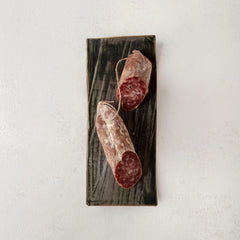
Charcuterie (pronounced shar-KOO-tuh-ree) is the culinary art of preparing, curing, preserving, and presenting meat. Traditionally associated with pork, charcuterie includes a wide variety of products such as dry-cured salami, ham, pâté, terrines, sausages, and other prepared meats.
Today, the word charcuterie is also commonly used to describe a charcuterie board: an attractive assortment of cured and prepared meats served with cheeses, fruits, nuts, crackers, bread, pickles, olives, and other accompaniments.
Whether served as an appetizer, part of a wine tasting, or the centerpiece of a gathering, charcuterie combines different flavors, textures, and colors to create an experience that is as enjoyable to look at as it is to eat.
Why Is It Called Charcuterie?
The word charcuterie comes from the French culinary tradition and is historically connected to chair cuite, meaning “cooked meat.” Earlier forms of the French word include chaircuicterie, while charcutier referred to a person who prepared and sold meat products. Over time, charcuterie came to describe both the craft and the prepared meat products associated with it.
Charcuterie developed in part from the need to preserve meat before modern refrigeration. Techniques such as salting, curing, smoking, drying, and cooking helped extend the life of meat while also creating the distinctive flavors and textures that define many traditional charcuterie products.
Although pork remains central to the French charcuterie tradition, today's charcuterie can include a variety of meats and preparations.
What Foods Are Considered Charcuterie?
Traditional charcuterie encompasses a broad range of prepared and preserved meats. Some of the best-known examples include:
- Dry-cured salami
- Prosciutto and other cured hams
- Coppa
- Saucisson
- Pâté - Pâté en croûte
- Terrines
- Rillettes
- Cured and smoked sausages
- Mortadella
- Other regional cured and prepared meats
Different charcuterie products can offer very different textures and flavors. Some are delicate and mild, while others are rich, smoky, spicy, or intensely savory. This variety is one of the reasons charcuterie works so well when several products are served together.

What Is a Charcuterie Board?
A charcuterie board is a presentation of cured or prepared meats accompanied by foods that complement their flavors and textures.
While there is no single formula for building a charcuterie board, a well-balanced board often includes:
- Cured meats
- Cheeses
- Crackers and bread
- Fresh or dried fruits
- Nuts
- Olives and pickles
- Mustards, honey, jams, or other spreads
The combination of savory, sweet, salty, tangy, creamy, and crunchy elements makes a charcuterie board versatile enough for everything from a casual gathering to a special occasion.

What Should a Charcuterie Board Include?
A well-designed charcuterie board should offer variety. Think about combining different meats, cheeses, textures, colors, and flavors rather than filling the board with too many similar products.

Charcuterie
Start with a selection of cured and prepared meats. Depending on the style of your board, you might include dry-cured salami, cured ham, saucisson, pâtés and terrines, or other specialty meats.
For a French-inspired board, choose several products with different textures and flavor profiles. A delicate cured ham can be paired with a more robust salami, while a rich pâté or terrine can provide a softer texture.
Cheeses
Cheese is a natural companion to charcuterie. For a French-style board, consider selecting cheeses from different regions of France and varying their textures and intensities.
Some excellent choices include:
- Soft cheeses: Brie, Camembert
- Semi-soft cheeses: Reblochon, Saint-Nectaire, Selles-sur-Cher, Valençay
- Firm cheeses: Comté, Mimolette
- Blue cheeses: Roquefort, Fourme d’Ambert
Roquefort is particularly distinctive: the French AOP is made from raw sheep's milk and is known for its creamy texture and pronounced blue-veined character.
Comté provides a very different experience, with a firm texture and a wide range of aromas that can vary according to its age and terroir.
You can also vary the type of milk used. French cheeses made from cow's, sheep's, and goat's milk offer different flavors and textures, making them ideal for creating a more interesting board.
Fruits and Other Accompaniments
Fresh and dried fruits can add sweetness and acidity to balance savory meats and cheeses. Try grapes, figs, apricots, apples, pears, or berries.
Nuts, olives, pickles, cornichons, crackers, sliced baguette, mustard, honey, and fruit preserves can add additional flavors and textures.
The goal is balance: rich meats and cheeses can be complemented by something sweet, tart, crisp, or refreshing.
What Are the Best Meats for a Charcuterie Board?
There is no single “best” meat for a charcuterie board. The ideal selection depends on your preferences and the other ingredients on the board.
For a French-inspired charcuterie board, consider a combination of:
- Cured ham
- Dry-cured salami
- Saucisson
- Coppa
- Pâté
- Terrine
- Rillettes
- Specialty cured sausages
Choose several varieties rather than relying on one type of meat. Thinly sliced products can provide an elegant presentation, while pâtés and terrines add a different texture to the board.

How to Make a Charcuterie Board
One of the best things about a charcuterie board is that it requires very little cooking. The focus is on selecting quality ingredients and arranging them in an inviting way.
1. Choose Your Board
Select a serving board that gives you enough room to arrange your ingredients without overcrowding them. Wood, slate, marble, and other food-safe serving surfaces can all work well.
Choose the size according to the number of people you are serving and whether the board will be an appetizer or a more substantial part of the meal.
2. Start With Small Bowls
Place small bowls of mustard, preserves, olives, pickles, nuts, or other loose ingredients on the board first. These create natural focal points and make it easier to arrange the remaining ingredients around them.
3. Add the Cheeses
Arrange your cheeses around the board, leaving enough space between them for the other ingredients. For variety, use cheeses with different textures, shapes, colors, and intensities.
You can leave some cheeses whole and slice or cube others.
4. Arrange the Charcuterie
Add the meats around the cheeses and bowls. Fold or roll thin slices of cured meat, fan them out, or arrange them in small groups.
Varying the shapes and presentation of the meats creates visual interest.
5. Fill the Empty Spaces
Add crackers, bread, fruit, nuts, olives, cornichons, and other accompaniments to fill the remaining spaces.
Don't be afraid to mix colors and textures. A beautiful board should feel abundant but still make it easy for guests to see and reach each ingredient.
6. Add a Final Garnish
For a finishing touch, consider fresh herbs or other edible garnishes that complement the ingredients on the board.
There is no single correct way to arrange a charcuterie board. The best boards combine thoughtful ingredient selection with a presentation that feels inviting and effortless.
Want more ideas? Explore our guide to creating the perfect charcuterie board.

When to Serve a Charcuterie Board
Charcuterie boards are versatile and can be served for many occasions.
Casual Gatherings
A charcuterie board is an easy way to offer guests a variety of foods without preparing a complicated meal. It can be served as an appetizer, snack, or light meal.
Holiday Entertaining
Create a festive board for Thanksgiving, Christmas, New Year's Eve, or other holidays. Seasonal fruits, cheeses, and decorative touches can give your board a special occasion feel.
Dinner Parties
A carefully selected charcuterie board makes an elegant first course before dinner. It can also be served alongside wine and other beverages as part of an evening of entertainment.
Game Day and Parties
For game-day gatherings and larger parties, a generous board gives guests plenty of options to graze and share.
Wine Tastings
Charcuterie and wine are natural companions. The saltiness, richness, acidity, and spices found in different meats and cheeses can create interesting pairings with a variety of wines.
What Is the Difference Between a Cheese Board and a Charcuterie Board?
The primary difference is the main ingredient.
A cheese board focuses primarily on a selection of cheeses, while a charcuterie board traditionally centers on cured and prepared meats.
In modern American entertainment, however, the two are often combined. A charcuterie board may include several cheeses, while a cheese board may also include cured meats, fruit, nuts, crackers, and other accompaniments.
In other words, there is plenty of room for creativity. What matters most is creating a balanced selection of flavors and textures that your guests will enjoy.
Frequently Asked Questions
Do You Need Cheese on a Charcuterie Board?
No. Cheese is a popular and traditional accompaniment to charcuterie, but there is no requirement that every charcuterie board include cheese.
That said, cheese can provide a useful contrast to cured meats, especially when you choose different textures and flavors.
What Meats Go on a Charcuterie Board?
Popular choices include dry-cured salami, cured ham, saucisson, coppa, pâté, terrine, rillettes, and specialty cured sausages.
For a French-inspired board, choose a combination of products with different textures, levels of richness, and seasoning.
How Much Charcuterie Do I Need Per Person?
The amount depends on how you are serving the board. If charcuterie is an appetizer before a meal, plan for a smaller portion per person. If the board is the main food being served, you will want to provide more.
It's also important to consider the amount of cheese, bread, crackers, fruit, and other accompaniments on the board.
How Do You Pronounce Charcuterie?
In English, charcuterie is commonly pronounced “shar-KOO-tuh-ree.”
The French pronunciation is somewhat different, but “shar-KOO-tuh-ree” is a familiar and widely understood pronunciation for English-speaking audiences in the United States.
Can You Make a Charcuterie Board Without Pork?
Yes. Although pork has traditionally played a central role in French charcuterie, modern charcuterie selections can include products made from other meats.
A board can also be designed around cheeses, vegetables, fruit, nuts, and other ingredients if you prefer to avoid pork entirely.
What Cheese Goes Best With Charcuterie?
The best cheese depends on the meat and other ingredients you are serving. For a French-inspired board, consider a combination of soft Brie or Camembert, firm Comté, distinctive Roquefort, and a French goat cheese such as Selles-sur-Cher or Valençay.
Using cheeses with different textures, milk types, and flavor intensities gives your board more variety. Choose your favorites, or surprise your guests with something new and delicious.
Conclusion
Charcuterie is rooted in a centuries-old French culinary tradition, but its appeal today goes far beyond the traditional charcutier's craft. From delicate cured hams and flavorful salamis to pâtés, terrines, and specialty sausages, charcuterie offers an extraordinary range of flavors and textures.
A charcuterie board brings that tradition to the table in a way that is easy to share and enjoy. Pair quality charcuterie with French cheeses, fresh and dried fruits, nuts, bread, crackers, pickles, and condiments, and you can create a beautiful centerpiece for almost any occasion.
Whether you're hosting a dinner party, preparing for the holidays, enjoying a glass of wine with friends, or simply looking for an elegant way to entertain, charcuterie offers an invitation to slow down, share good food, and discover new flavors.